


Tubeless Tyre Repair: Common Mistakes and How to Avoid Them
- Rema Tip Top
- May 26
- 5 min read

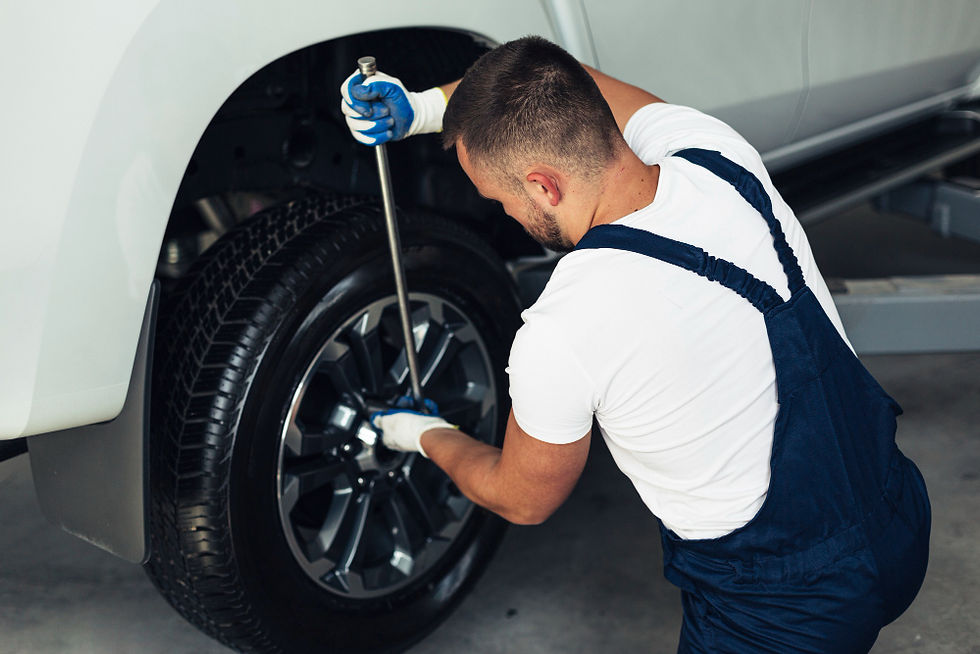
A proper tyre repair does more than stop air loss. It seals the puncture channel, protects the steel belts inside the tyre, and restores the inner liner that keeps the tyre airtight.
Many repair failures happen because of poor preparation, dirty surfaces, or rushed patch installation. In hot and dusty Australian conditions, even a small mistake can shorten tyre life and create safety risks.
What Makes a Proper Tubeless Tyre Repair Different?
A tubeless tyre repair is a process that restores the tyre’s airtight structure after a puncture. A temporary plug may stop the leak for a short time, but it does not fully protect the tyre from internal damage.
Why the Inner Liner Matters
Tubeless tyres work as their own air chamber. The inner liner holds air pressure inside the casing. When a puncture happens, moisture can enter through the injury channel.
If water reaches the steel belts, rust can start forming inside the tyre. This weakens the structure over time.
That is why permanent repairs usually use a mushroom plug or patch plug combination. This method seals both the puncture path and the inner liner.
Why Plug Only Repairs Often Fail
Many roadside repairs use external string plugs. These plugs help drivers reach a workshop safely. But they are not built for long-term use.
A plug inserted from outside cannot fully close the injury channel. Dirt, moisture, and heat can still affect the damaged area inside the tyre.
How Does the Repair Angle Affect Tyre Performance?
The repair must follow the same angle as the puncture. If the repair sits incorrectly, tyre movement can slowly cut through the patch area.
Understanding the Injury Channel
Every puncture creates a path through the tyre. Technicians inspect this path with a probe before starting the repair.
The angle matters because tyres flex constantly during driving. If the repair does not align correctly, the steel cords inside the tyre can rub against the repair unit.
Why Precision Matters in Heavy-Duty Conditions
Heavy vehicles place more stress on tyres. Mining fleets, transport trucks, and industrial vehicles operate under high heat and heavy loads every day.
Small alignment mistakes may not show immediately. But after thousands of kilometres, the repair can start lifting or leaking.
Why Surface Preparation Decides Repair Quality
Most tyre repair failures happen because the rubber surface was not cleaned correctly. Even tiny contamination can weaken the bond between the patch and the tyre.
The Dust and Humidity Problem
Australian work environments create difficult repair conditions. Red dust, workshop moisture, and oil residue often settle onto buffed rubber surfaces.
Technicians working off The road tyres often report that invisible contamination is the biggest reason repairs fail early.
Why Clean Rubber Matters
Buffing creates fine rubber dust. This dust must be removed before patch installation.
Even fingerprints can affect adhesion. That is why many technicians use dedicated pre-buff cleaning products before applying the repair unit.
Common contamination sources include
• Red dirt from mining roads • Oil from workshop tools • Moisture from humid air • Rubber dust left after buffing
When Should You Use Rubber Cement During Tyre Repairs?
Rubber cement is a vulcanising fluid that creates the chemical bond between the repair patch and the tyre liner. Correct drying time is very important.
Wet Cement Causes Weak Repairs
Some technicians apply patches while the cement still looks wet. This traps gas bubbles under the repair unit.
Over time, these bubbles can cause patch lifting or slow air leaks.
The cement should become tacky before patch installation. 'Tacky' means slightly sticky, not wet.
Why Rushing Creates Problems
Fast workshop turnaround often leads to mistakes. Heat and humidity can change solvent evaporation time as well.
Waiting a few extra minutes can make the repair much stronger.
Which Tools Improve Repair Accuracy and Safety?
Professional tyre repairs depend on correct tooling. The wrong equipment can damage rubber surfaces and reduce repair strength.
Why Low-Speed Buffing Matters
High-speed drills generate too much heat. This can scorch the rubber surface inside the tyre.
Low-speed air buffers create a cleaner texture. This texture helps the patch bond properly during vulcanisation.
Why Tungsten Carbide Tools Are Preferred
Tungsten carbide rasps create controlled surface texture without damaging the tyre casing.
This gives technicians better consistency during preparation.
Common repair tools include
• Low-speed air buffer • Tungsten carbide rasp • Stitching roller • Inner liner scraper • Pre-buff cleaner
When Is a Tyre Not Safe to Repair?
Not every tyre can be repaired safely. Some damage areas create too much structural risk.
Why Sidewall Damage Is Dangerous
The sidewall flexes heavily during driving. Repairs placed in this zone face constant movement and heat buildup.
Most professional standards treat sidewall punctures as non-repairable.
Why Safety Standards Matter
Good repair practices protect both the driver and the technician. Australian workshops often follow strict inspection and repair guidelines for this reason.
Safe repair methods focus on long-term tyre reliability, not quick fixes.
How does a radial tyre patch support long-term durability?
A radial tyre patch is a repair unit designed to flex with radial tyre construction. It helps support the damaged area while keeping the tyre stable during operation.
Matching the Patch to the Tyre Structure
Radial tyres flex differently from older bias-ply tyres. The repair material must move with the casing without separating.
Correct patch selection helps spread stress evenly across the repaired area.
Why Material Compatibility Matters
Heavy loads create heat inside tyres. Long-distance driving increases this stress even more.
Using the correct repair material helps maintain durability under these operating conditions.
What Should Drivers Know About Tyre Puncture Repair Standards?
Tyre puncture repair standards focus on inspection, preparation, and structural safety. A proper repair should restore reliability, not simply stop air loss.
Signs of a Safe Repair
A proper repair usually includes
• Internal tyre inspection • Correct puncture alignment • Proper vulcanising time • No sidewall damage
Why Compliance Builds Trust
Repair standards help workshops maintain consistent safety practices. Many professional repair systems now use low-toxicity repair chemicals to support technician safety as well.
Proper tyre repairs depend on clean preparation, correct tools, and safe repair methods. Businesses operating in harsh Australian environments often work with suppliers such as REMA TIP TOP Australia for repair materials, workshop tools, and technical support suited for industrial conditions.
FAQs
Can a tubeless tyre be repaired permanently?
Yes. A permanent repair seals the puncture channel and restores the inner liner using a patch, plug or mushroom repair unit.
How long should vulcanising fluid dry before patching?
The fluid should become tacky before patch installation. Wet cement can trap gases and weaken the repair.
Are sidewall punctures repairable?
Most sidewall punctures are considered unsafe to repair because the area flexes too much during driving.
Why do tyre repairs fail after a few months?
Common causes include contamination, poor surface preparation, incorrect repair alignment, or rushed vulcanising.
What is the difference between a plug repair and a patch plug repair?
A plug repair seals the hole temporarily from outside. A patch plug repair seals both the puncture path and the inner liner from inside the tyre.
Comments